
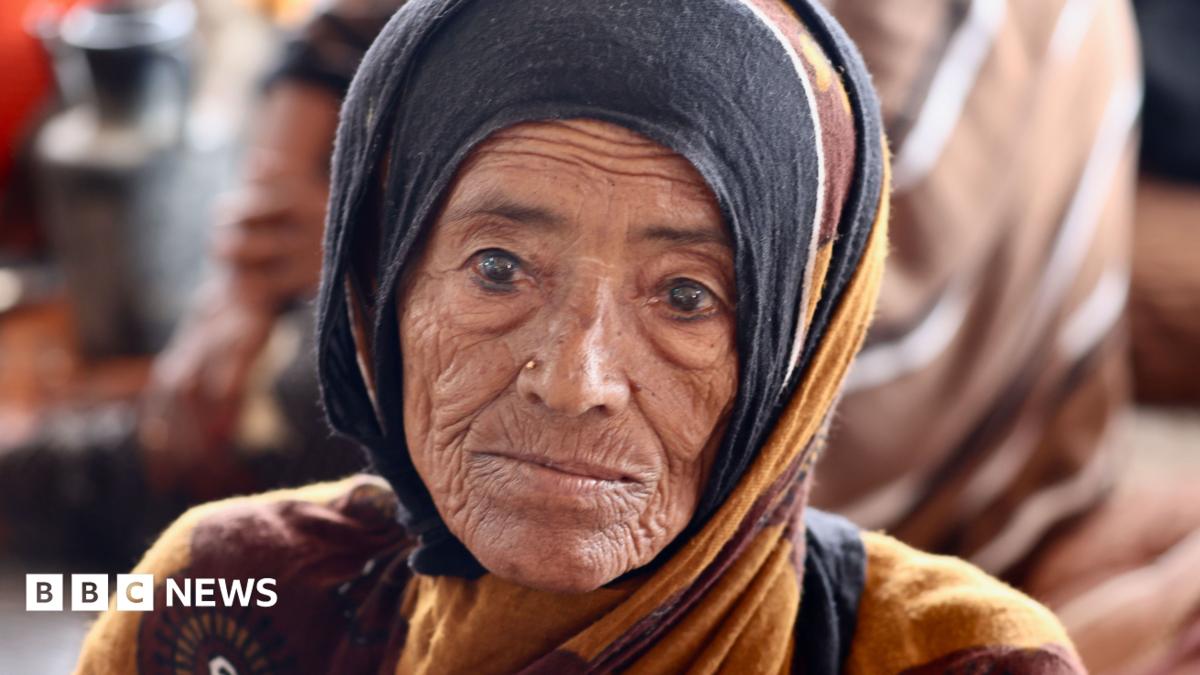
As a fisherman, Ibrahim Issa already owned a boat large enough to bring out his family from Yemen.
He even brought several of the family’s goats which I can now see nibbling at scraps nearby, foraging amidst the discarded canisters of cooking gas and empty plastic bottles. Some families have been able to bring small bundles of possessions with them from Yemen – one family has even brought a “jeraak”, a tall metal shisha pipe – but others have arrived, exhausted, in just the clothes they left in.
In just the last few days more than 3,000 refugees have arrived here from Yemen, many entire families. The UN estimates that in all, more than 120,000 Yemenis have been displaced by the sudden surge in fighting along Yemen’s Red Sea coast.
This month, the country’s Houthis, who had already seized most of the populated parts of Yemen years ago, made a lightning dash down the coast towards Bab al-Mandab, the narrow, maritime chokepoint where the southern Red Sea flows into the Gulf of Aden and the wider Indian Ocean.
Saudi Arabia, which backs the internationally recognised UN-recognised government of Yemen, has responded with hundreds of air strikes along the flat, coastal plain where the Houthis are now digging in. The Houthis have also launched hundreds of drones and missiles at cities and infrastructure in south-western Saudi Arabia.
“We don’t care which side it is that’s attacking,” is the message I got loud and clear in Arabic from everyone here I spoke to. “It’s the bombs falling all around us that have caused us to flee.”